Introduction to Black Velvet Rose
In the world of mixology, few cocktails possess the immediate, arresting allure of the Black Velvet Rose. This is not merely a drink; it is a statement, a piece of liquid art, and an experience that begins with the eyes long before the first sip touches the lips. It is a modern classic that masterfully blends the dark, rich elegance of a stout beer with the bright, effervescent sophistication of rosé Champagne, creating a paradoxical harmony that is both unexpected and utterly captivating. The name itself evokes a sense of mystery and romance, the “Black Velvet” referring to the original, century-old cocktail of stout and Champagne, and the “Rose” signaling the contemporary twist that introduces a beautiful blush hue and a delicate fruitiness.
Why Is This Black Velvet Rose So Popular?
The popularity of the Black Velvet Rose is a fascinating study in contrast and contemporary taste. It has surged in popularity, moving from the menus of chic cocktail bars to a staple for home entertainers, for several compelling reasons.
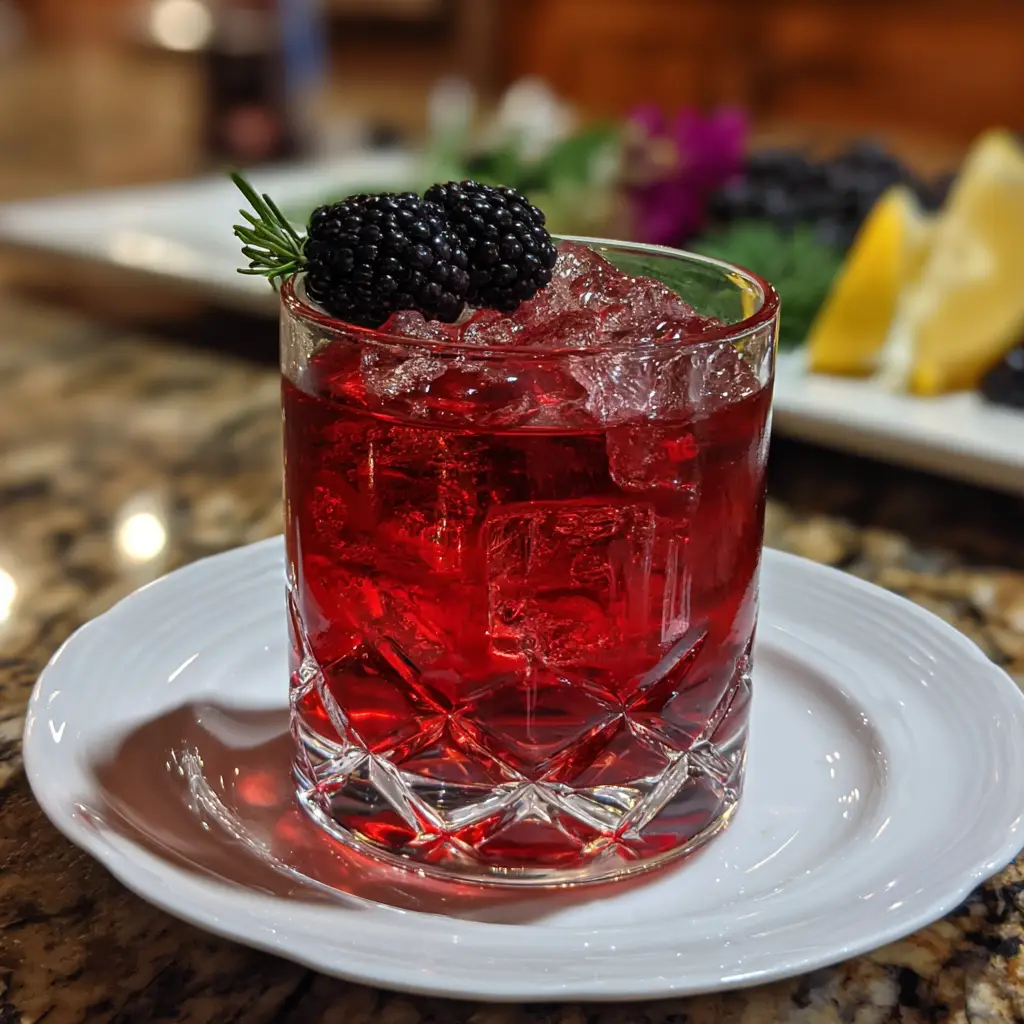
First and foremost is its breathtaking and dramatic visual presentation. The cocktail is a masterpiece in a glass. The careful layering creates a stunning gradient effect, from the deep, opaque blackness of the stout at the bottom to the vibrant, effervescent pink of the rosé Champagne at the top, often with a mesmerizing cascading effect where the two liquids meet. In the age of social media, its photogenic quality is undeniable, making it an instant hit on platforms like Instagram and Pinterest.
Secondly, it represents a sophisticated flavor adventure. Today’s cocktail enthusiasts are increasingly drawn to complex, bitter, and savory flavor profiles. The Black Velvet Rose delivers this in spades. It challenges the palate with the initial coffee and chocolate notes of the stout, which are then effortlessly lifted by the crisp, dry, and berry-kissed bubbles of the rosé. This combination is surprisingly refreshing, breaking the mold of what many expect from a beer- or Champagne-based drink.
Furthermore, it carries an air of historical charm with a modern edge. The original Black Velvet (stout and Champagne) has a rich history dating back to 1861, created in London to mourn the death of Prince Albert. The rosé variation pays homage to this history while simultaneously updating it for a modern audience that adores rosé wine. This connection to the past gives the drink a story, a depth that goes beyond its ingredients.
Finally, its versatility as a celebratory drink is key. It bridges the gap between beer lovers and wine aficionados, making it an ideal choice for mixed company. It serves as a stunning aperitif, a remarkable pairing with a variety of foods, and a brilliant alternative to traditional Champagne toasts at events like bridal showers, anniversaries, and New Year’s Eve parties.
Why You’ll Love This Black Velvet Rose:
- A Sensory Masterpiece: You will love the stunning visual drama and the complex interplay of flavors that evolve with every sip.
- Surprisingly Light and Refreshing: Despite its dark, rich components, the effervescence of the Champagne makes this cocktail remarkably palate-cleansing and invigorating.
- The Ultimate Conversation Starter: This drink is guaranteed to be the center of attention, sparking curiosity and admiration from everyone who sees it.
- Deceptively Simple to Make: With only two ingredients and a simple technique, you can create a cocktail that looks and tastes like it was crafted by a professional mixologist.
- Elegantly Versatile: It is equally at home at a casual garden party as it is at a black-tie event, effortlessly elevating any occasion.
Here’s what you’ll need:
The beauty of the Black Velvet Rose lies in its simplicity, but the quality of its two components is absolutely paramount. There is no place to hide, so choosing the right ingredients is the single most important step.
For the Cocktail (Makes 1 Cocktail):
- 4 oz (120 ml) Dry Rosé Champagne or Rosé Sparkling Wine: This is the “Rose” element. Quality is critical.
* Best Choice: A true, dry (Brut) French Champagne from the Rosé category. This will provide fine bubbles, complexity, and a crisp, clean finish.
* Excellent Alternative: A high-quality Crémant from France (e.g., Crémant de Bourgogne Rosé), a Spanish Cava Rosado, or a dry Italian Prosecco Rosé. These offer fantastic quality at a more accessible price point.
* What to Avoid: Sweet, still rosé wines or cheap, overly sweet sparkling rosés. The cocktail relies on dryness and effervescence to balance the stout’s sweetness. - 4 oz (120 ml) Stout Beer: This is the “Black Velvet” element. The choice of stout will dramatically alter the character of the drink.
* Classic Choice: Guinness Draught Stout (from the widget can or nitro tap). Its creamy, smooth texture and balanced notes of coffee and dark chocolate are the traditional standard. The nitrogen infusion also helps create a beautiful, stable head.
* Gourmet Choices: For a more complex cocktail, consider a milk stout (for added sweetness), an oatmeal stout (for a silkier texture), or even an espresso stout (for a more pronounced coffee kick).
* What to Avoid: Heavily hopped imperial stouts or those with intense, overpowering adjuncts like bourbon barrel-aging, as they can clash with the delicate flavors of the rosé.
For Garnish and Presentation (Optional but Recommended):
- Chilled Champagne Flute or Coupe Glass: The tall, narrow shape of a flute showcases the layers perfectly, while a coupe offers a vintage, sophisticated look.
- Edible Gold Leaf Flakes or Edible Rose Gold Dust: For the ultimate touch of luxury and glamour.
- Fresh Raspberry or Strawberry: Placed on the rim or dropped into the glass.
- Dark Chocolate Shavings: A small sprinkle on top of the stout head to accentuate the chocolate notes.
How to Make Black Velvet Rose:
Now that you have your ingredients ready, let’s dive into the steps for making this delightful Black Velvet Rose. It’s as easy as pie, and I promise you’ll feel like a culinary superstar!
Step 1: The Critical Chill
Begin by ensuring every component is ice-cold. Your rosé Champagne should be chilled to perfection (around 45-50°F / 7-10°C). Your stout beer should be equally cold. Most importantly, place your Champagne flute or coupe glass in the freezer for at least 15-20 minutes before you begin. A frosty-cold glass is essential for maintaining the cocktail’s temperature and aiding in the formation of a stable, creamy head on the stout.
Step 2: Pour the Black Velvet Base
Remove your chilled glass from the freezer. Hold it at a slight angle. Slowly and gently pour the 4 oz of cold stout beer into the glass. Aim to pour it down the side of the glass to minimize agitation and foam. You want a smooth, dark base. If using a nitro-can stout like Guinness, the classic “two-part pour” is recommended: pour halfway, let it settle for a moment, then pour the rest to achieve that perfect, creamy head.
Step 3: The Delicate Layering – Adding the Rose
This is the most crucial step for achieving the signature layered look. You will need a bar spoon. Place the bowl of the chilled bar spoon upside-down, just touching the surface of the stout’s head (or the liquid itself if there is little head). Slowly, painfully slowly, pour the 4 oz of chilled rosé Champagne over the back of the spoon. The spoon will disperse the force of the liquid, allowing the Champagne to float gently on top of the denser stout, creating a distinct and beautiful pink layer.
Step 4: Observe the Cascade
As you pour, you will witness a mesmerizing natural phenomenon. The Champagne, being less dense than the stout, will initially float, but tiny bubbles will immediately begin to cascade downwards through the dark beer, creating a beautiful, lava-lamp-like effect of rising and falling bubbles. This is a sign of a perfectly executed pour.
Step 5: The Final Garnish
Once your layers are established, it’s time for the final flourish. If using, carefully place a single fresh raspberry on the rim of the glass or let it float on the surface. For a truly opulent touch, using a dry brush, apply a tiny bit of edible gold leaf or rose gold dust to the rim of the glass or directly onto the pink surface.
Step 6: Serve Immediately and Instruct
Present the cocktail immediately after construction. The layers will eventually mix as the drink is sipped, creating a unified, rosy-brown hue, but the initial presentation is half the magic. Instruct your guest to enjoy the visual spectacle first, and then to stir gently with the spoon or simply sip through the layers to experience the evolving flavors.
Step 7: Sip and Savor
Encourage your guest to take their first sip without stirring. They will experience the bright, berry-forward effervescence of the rosé first, followed by the deep, roasty notes of the stout—a truly unique and captivating sequence.
Tips for Success:
- Temperature is Everything: Warm ingredients will mix instantly and lose all carbonation. Everything must be ice-cold.
- The Spoon is Non-Negotiable: Do not attempt to pour the Champagne directly into the stout. The spoon is the essential tool for a clean layer.
- Pour with Patience: Rushing this step is the most common mistake. A slow, steady, and gentle pour over the spoon is the key to success.
- Freshness Matters: Use a freshly opened stout and Champagne. Stale, flat beer or Champagne will result in a lifeless cocktail.
- Glassware Choice: While a flute is classic, a Nick & Nora glass can also be a beautiful and vintage-accurate vessel for this drink.
Equipment Needed:
- Chilled Champagne Flute or Coupe Glass
- Jigger (for precise measurement)
- Bar Spoon (preferably with a spiral handle for easier maneuvering)
- Bottle Opener / Corkscrew
Variations of Black Velvet Rose:
- The Classic Black Velvet: The original version uses a dry (Brut) white Champagne or sparkling wine instead of rosé.
- Poor Man’s Black Velvet: A common pub variation uses dry hard cider (a crisp, dry apple cider) in place of Champagne, creating a lighter, fruitier drink.
- Green Velvet: Substitute the stout with a hard apple cider and the rosé Champagne with Absinthe, creating a potent and anise-flavored cocktail.
- Red Velvet: Use a Flanders Red Ale or a fruit-forward sour beer in place of the stout for a tangy, complex twist.
- Sparkling Black Velvet Rose: For a non-alcoholic version, use a non-alcoholic stout (like WellBeing) and a dealcoholized sparkling rosé.
Serving Suggestions for Black Velvet Rose:
This cocktail is a versatile partner for a range of foods, its dryness and effervescence cutting through rich flavors.
- Perfect Pairings: It is exceptional with raw bar items like oysters on the half shell, the acidity and bubbles cleansing the palate. It also pairs wonderfully with creamy cheeses (Brie, Camembert), fried appetizers like arancini or french fries, and even dark chocolate desserts.
- Thematic Presentation: Serve on a tray for a cocktail party, or as a welcome drink for a sophisticated brunch or a romantic dinner.
- Batch Considerations: While best made individually, you can pre-pour the stout into chilled glasses and have the chilled rosé ready to top each one as guests arrive.
Prep Time:
5 minutes (plus glass chilling time)
Cooking Time:
0 minutes
Total Time:
5 minutes
Nutritional Information (Approximate per serving):
- Calories: ~180-220 kcal
- Protein: 1 g
- Sodium: 30 mg
- Sugar: 3-5 g (highly dependent on the dryness of the Champagne and stout)
- Fat: 0 g
- Carbohydrates: 10-15 g
- Fiber: 0 g
Please note: This is an estimate and can vary significantly based on the specific brands of beer and Champagne you use.
FAQs about Black Velvet Rose:
Q: My layers mixed together immediately. What did I do wrong?
A: The most likely culprits are: 1) Ingredients or glassware were not cold enough, 2) You poured the Champagne too quickly and/or without using the back of a spoon, 3) The stout was poured too aggressively, creating too much foam and turbulence.
Q: Can I make a large pitcher of this for a party?
A: It is strongly discouraged. The carbonation will be lost quickly, and the layers will not hold. This is a cocktail that must be constructed individually, one at a time, to preserve its essential qualities.
Q: I’m not a beer fan. Will I like this?
A: Quite possibly, yes. The rosé Champagne does an excellent job of lightening the stout’s heaviness and bitterness. The overall experience is more akin to a complex sparkling wine than a glass of beer. It’s a great “gateway” cocktail for those curious about stouts.
Q: Is there a specific type of rosé Champagne that works best?
A: A Brut (dry) rosé Champagne or sparkling wine is ideal. Look for ones with notes of red berries (strawberry, raspberry, cherry) as they complement the stout’s chocolate and coffee notes beautifully. Avoid sweet (Demi-Sec) styles.
Q: Can I use a regular spoon if I don’t have a bar spoon?
A: Yes, a regular teaspoon can work in a pinch. The goal is simply to have a small, concave surface to disperse the pour of the Champagne.
Final Thoughts:
The Black Velvet Rose is a testament to the fact that the most groundbreaking cocktails are often born from the simplest, most daring combinations. It is a drink that challenges preconceptions and delights the senses on every level. From its jaw-dropping visual drama to its complex and refreshing flavor profile, it is an unparalleled choice for anyone looking to elevate their cocktail hour. It requires no fancy syrups or obscure liqueurs, just a commitment to quality ingredients and a steady hand. Mastering this cocktail is a rite of passage for any home entertainer, a surefire way to impress and delight your guests with a drink that is as intelligent as it is beautiful. So, chill your glasses, select your finest brut rosé, and prepare to pour a cocktail that is truly, and unforgettably, velvet and rose. Cheers!
Print
Black Velvet Rose Cocktail: Smooth Whiskey Drink
- Total Time: 5 minutes
Description
Sip a Black Velvet Rose cocktail! An elegant, smooth mix of whiskey, rosé, and blackberry. Perfect for a stylish night in or special occasion.
Ingredients
For the Cocktail (Makes 1 Cocktail):
-
4 oz (120 ml) Dry Rosé Champagne or Rosé Sparkling Wine: This is the “Rose” element. Quality is critical.
* Best Choice: A true, dry (Brut) French Champagne from the Rosé category. This will provide fine bubbles, complexity, and a crisp, clean finish.
* Excellent Alternative: A high-quality Crémant from France (e.g., Crémant de Bourgogne Rosé), a Spanish Cava Rosado, or a dry Italian Prosecco Rosé. These offer fantastic quality at a more accessible price point.
* What to Avoid: Sweet, still rosé wines or cheap, overly sweet sparkling rosés. The cocktail relies on dryness and effervescence to balance the stout’s sweetness. -
4 oz (120 ml) Stout Beer: This is the “Black Velvet” element. The choice of stout will dramatically alter the character of the drink.
* Classic Choice: Guinness Draught Stout (from the widget can or nitro tap). Its creamy, smooth texture and balanced notes of coffee and dark chocolate are the traditional standard. The nitrogen infusion also helps create a beautiful, stable head.
* Gourmet Choices: For a more complex cocktail, consider a milk stout (for added sweetness), an oatmeal stout (for a silkier texture), or even an espresso stout (for a more pronounced coffee kick).
* What to Avoid: Heavily hopped imperial stouts or those with intense, overpowering adjuncts like bourbon barrel-aging, as they can clash with the delicate flavors of the rosé.
For Garnish and Presentation (Optional but Recommended):
-
Chilled Champagne Flute or Coupe Glass: The tall, narrow shape of a flute showcases the layers perfectly, while a coupe offers a vintage, sophisticated look.
-
Edible Gold Leaf Flakes or Edible Rose Gold Dust: For the ultimate touch of luxury and glamour.
-
Fresh Raspberry or Strawberry: Placed on the rim or dropped into the glass.
-
Dark Chocolate Shavings: A small sprinkle on top of the stout head to accentuate the chocolate notes.
Instructions
Step 1: The Critical Chill
Begin by ensuring every component is ice-cold. Your rosé Champagne should be chilled to perfection (around 45-50°F / 7-10°C). Your stout beer should be equally cold. Most importantly, place your Champagne flute or coupe glass in the freezer for at least 15-20 minutes before you begin. A frosty-cold glass is essential for maintaining the cocktail’s temperature and aiding in the formation of a stable, creamy head on the stout.
Step 2: Pour the Black Velvet Base
Remove your chilled glass from the freezer. Hold it at a slight angle. Slowly and gently pour the 4 oz of cold stout beer into the glass. Aim to pour it down the side of the glass to minimize agitation and foam. You want a smooth, dark base. If using a nitro-can stout like Guinness, the classic “two-part pour” is recommended: pour halfway, let it settle for a moment, then pour the rest to achieve that perfect, creamy head.
Step 3: The Delicate Layering – Adding the Rose
This is the most crucial step for achieving the signature layered look. You will need a bar spoon. Place the bowl of the chilled bar spoon upside-down, just touching the surface of the stout’s head (or the liquid itself if there is little head). Slowly, painfully slowly, pour the 4 oz of chilled rosé Champagne over the back of the spoon. The spoon will disperse the force of the liquid, allowing the Champagne to float gently on top of the denser stout, creating a distinct and beautiful pink layer.
Step 4: Observe the Cascade
As you pour, you will witness a mesmerizing natural phenomenon. The Champagne, being less dense than the stout, will initially float, but tiny bubbles will immediately begin to cascade downwards through the dark beer, creating a beautiful, lava-lamp-like effect of rising and falling bubbles. This is a sign of a perfectly executed pour.
Step 5: The Final Garnish
Once your layers are established, it’s time for the final flourish. If using, carefully place a single fresh raspberry on the rim of the glass or let it float on the surface. For a truly opulent touch, using a dry brush, apply a tiny bit of edible gold leaf or rose gold dust to the rim of the glass or directly onto the pink surface.
Step 6: Serve Immediately and Instruct
Present the cocktail immediately after construction. The layers will eventually mix as the drink is sipped, creating a unified, rosy-brown hue, but the initial presentation is half the magic. Instruct your guest to enjoy the visual spectacle first, and then to stir gently with the spoon or simply sip through the layers to experience the evolving flavors.
Step 7: Sip and Savor
Encourage your guest to take their first sip without stirring. They will experience the bright, berry-forward effervescence of the rosé first, followed by the deep, roasty notes of the stout—a truly unique and captivating sequence
Notes
-
Chilled Champagne Flute or Coupe Glass
-
Jigger (for precise measurement)
-
Bar Spoon (preferably with a spiral handle for easier maneuvering)
-
Bottle Opener / Corkscrew
- Prep Time: 5 minutes
- Category: Drinks
- Cuisine: American
Nutrition
- Calories: 220 kcal
- Sugar: 5 g
- Sodium: 30 mg
- Carbohydrates: 15 g
- Protein: 1g