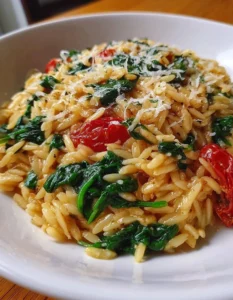
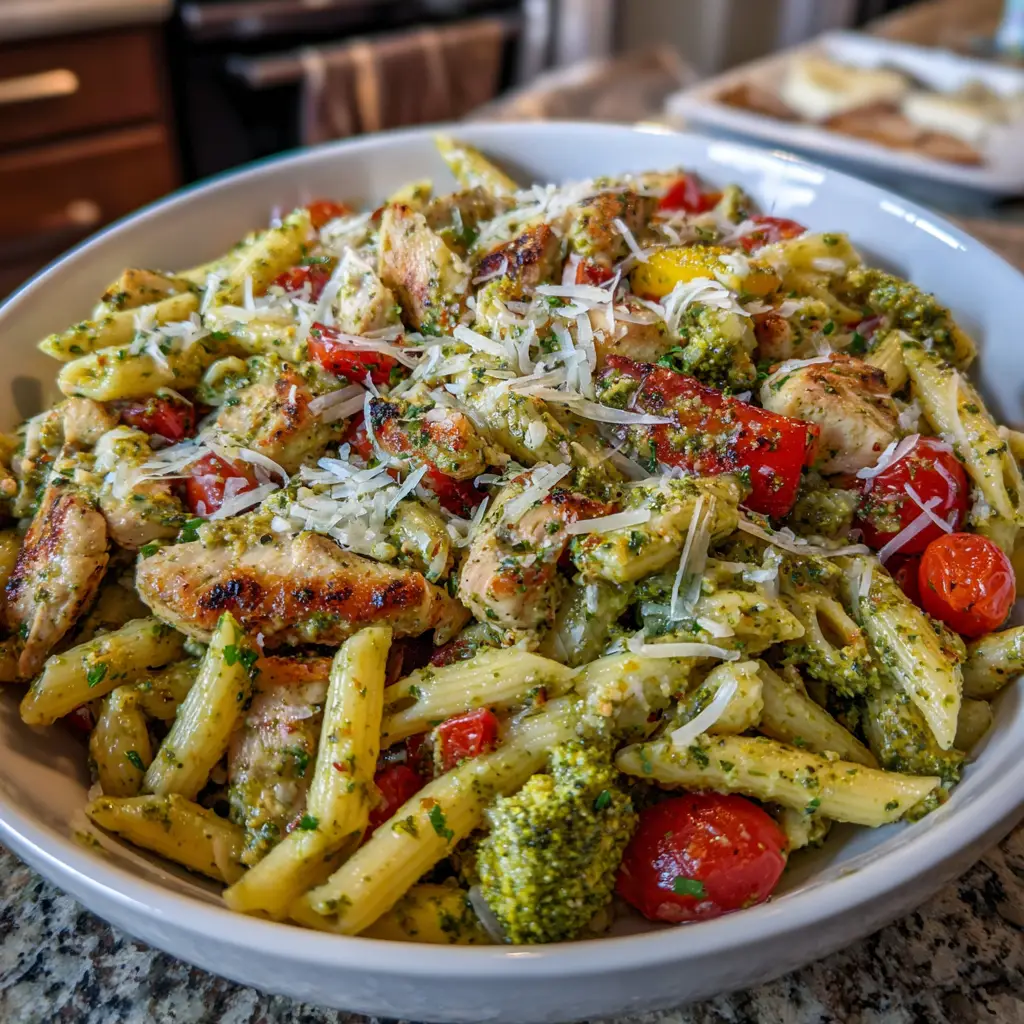
Pesto Chicken Pasta Primavera is a symphony of spring, a vibrant celebration of freshness that marries the verdant, herbal intensity of homemade basil pesto with the tender succulence of chicken and the crisp, sweet chorus of seasonal vegetables. Picture a sun-drenched Italian garden on a plate: al dente pasta, twirled and gleaming, coated in a luxuriously creamy yet bright pesto sauce that clings to every curve. Nestled within are golden bites of perfectly seared chicken and a confetti of vegetables, asparagus spears, cherry tomatoes blistered with heat, emerald green peas, and perhaps slivers of bell pepper, each retaining a hint of their raw vitality, a concept known as al dente for vegetables. This dish is the embodiment of primavera, Italian for “spring,” and it captures the season’s ethos of renewal, lightness, and abundance. It transcends the notion of mere pasta; it is a complete, balanced meal that feels simultaneously indulgent and nourishing.
Why Is This Pesto Chicken Pasta Primavera So Popular?
The enduring and widespread popularity of Pesto Chicken Pasta Primavera stems from its unparalleled ability to be everything to everyone, a true crowd-pleaser that satisfies multiple cravings at once. First, it is a colorful feast for the senses. The striking contrast of green pesto, red tomatoes, and various vegetable hues makes it instantly appealing, promising a fresh and healthy experience. Secondly, it perfectly balances richness and lightness. The pesto provides a deeply savory, garlicky, and nutty richness, while the fresh vegetables and lean chicken keep the dish feeling clean and energizing, not heavy or lethargic. Furthermore, it is incredibly versatile and forgiving. It is a masterclass in using what you have—the vegetable medley can change with the seasons, the protein can be swapped, and the pasta shape can vary, yet the core concept remains foolproof. Finally, it delivers restaurant-quality elegance with home-kitchen ease. The process of making a quick pan sauce with pesto and pasta water feels chef-inspired, creating a cohesive, sophisticated dish that belies its simple, relatively quick preparation time. It is a guaranteed hit for family dinners, casual entertaining, and solo culinary indulgence alike.
Why You’ll Love This Pesto Chicken Pasta Primavera:
- One-Pot Potential: While not strictly one-pot, the entire meal comes together with just a skillet and a pot for pasta, meaning minimal cleanup.
- Meal-Prep Marvel: It holds up exceptionally well in the refrigerator, tasting fantastic cold or reheated, making it ideal for lunches throughout the week.
- Customizable Canvas: Don’t like asparagus? Use broccoli. Not a fan of chicken? Add shrimp or chickpeas. The recipe is a guideline for your creativity.
- Saucy & Cohesive: Unlike some pasta dishes where the sauce pools at the bottom, the pesto, enhanced with starchy pasta water, emulsifies into a creamy sauce that lovingly coats every single ingredient.
- Healthy Indulgence: Packed with protein, fiber from the veggies, and healthy fats from the olive oil and nuts in the pesto, it’s a meal that nourishes your body as much as it delights your palate.
Here’s what you’ll need:
For the Pesto (Homemade Highly Recommended):
- 2 cups packed fresh basil leaves (about 2 large bunches)
- 1/3 cup pine nuts or walnuts, toasted
- 3 cloves garlic, roughly chopped
- 1/2 cup freshly grated Parmesan or Pecorino Romano cheese, plus more for serving
- 1/2 cup extra-virgin olive oil
- Juice of 1/2 a lemon
- Kosher salt and freshly ground black pepper to taste
For the Chicken & Vegetables:
- 1.5 lbs boneless, skinless chicken breasts or thighs, cut into 1-inch bite-sized pieces
- 3 tablespoons olive oil, divided
- 1 teaspoon Italian seasoning
- Salt and pepper for seasoning
- 1 pound asparagus, woody ends trimmed, cut into 2-inch pieces
- 1 cup cherry or grape tomatoes, halved
- 1 medium zucchini or yellow squash, halved lengthwise and sliced
- 1 small red onion, sliced into thin wedges
- 1/2 cup frozen peas, thawed (no need to pre-cook)
- 3 cloves garlic, minced
For the Pasta & Assembly:
- 1 pound (16 oz) short pasta (like fusilli, penne, rigatoni, or farfalle) OR long pasta (like fettuccine or linguine)
- Reserved Pasta Water (1 to 1.5 cups)
- Additional grated Parmesan, for serving
- Red pepper flakes, for serving (optional)
- Fresh basil leaves, for garnish
How to Make Pesto Chicken Pasta Primavera:
Now that you have your ingredients ready, let’s dive into the steps for making this delightful Pesto Chicken Pasta Primavera. It’s as easy as pie, and I promise you’ll feel like a culinary superstar!
Step 1: Craft the Foundation – Make the Pesto
In the bowl of a food processor, combine the toasted pine nuts, chopped garlic, and grated cheese. Pulse until finely chopped. Add the fresh basil leaves and pulse until coarsely chopped. With the processor running, slowly drizzle in the extra-virgin olive oil until a coarse paste forms. Add the lemon juice, a large pinch of salt, and a few grinds of pepper. Pulse to combine. Taste and adjust seasoning. Set aside. (This can be done up to 3 days in advance and stored in the fridge with a layer of oil on top).
Step 2: Sear the Chicken
Bring a large pot of generously salted water to a boil for the pasta. Meanwhile, season the chicken pieces all over with Italian seasoning, salt, and pepper. Heat 1.5 tablespoons of olive oil in a large, high-sided skillet or Dutch oven over medium-high heat. Add the chicken in a single layer, working in batches if needed. Sear without moving for 2-3 minutes per side, until golden brown and cooked through. Transfer to a clean plate.
Step 3: Cook the Pasta to Al Dente
Once the water is boiling, add the pasta and cook according to package instructions until al dente—it should still have a slight bite. CRUCIAL STEP: Just before draining, reserve at least 1.5 cups of the starchy pasta water. Drain the pasta and set it aside.
Step 4: Sauté the Spring Vegetables
In the same skillet used for the chicken, add the remaining 1.5 tablespoons of olive oil over medium-high heat. Add the tougher vegetables first: asparagus and red onion. Sauté for 3-4 minutes until they begin to soften. Add the zucchini and minced garlic, cooking for another 2 minutes until fragrant. Finally, add the cherry tomatoes and cook for 1-2 minutes until they just begin to soften and release their juices. Season the vegetables lightly with salt and pepper.
Step 5: Create the Creamy Pesto Pan Sauce
Reduce the heat to medium-low. To the skillet with the sautéed vegetables, add the prepared pesto and about 1/2 cup of the reserved pasta water. Stir vigorously to combine, creating a smooth, loose sauce. The starch from the water will help the pesto emulsify and cling to the pasta.
Step 6: Combine, Emulsify, and Unify
Add the drained al dente pasta, cooked chicken, and thawed peas to the skillet with the pesto sauce and vegetables. Using tongs or a large spoon, toss everything together thoroughly. If the sauce seems too thick, add more reserved pasta water, a few tablespoons at a time, until it reaches a silky, coating consistency. The sauce should not be pooled at the bottom but should evenly gloss every component. Toss for a full 1-2 minutes over low heat to allow the pasta to fully absorb the flavors.
Step 7: Serve Immediately
Divide the pasta among bowls or onto a large serving platter. Garnish generously with extra grated Parmesan cheese, a few fresh basil leaves, and a pinch of red pepper flakes for those who desire a little heat. Serve immediately while hot.
Tips for Success:
- Salt Your Pasta Water Like the Sea: This is your only chance to season the pasta itself. It should taste as salty as mild seawater.
- Reserve That Pasta Water: The starchy, salty water is the magic elixir that transforms oily pesto into a creamy, cohesive sauce. Do not forget this step.
- Don’t Overcook the Vegetables: They should be tender-crisp (al dente) to provide textural contrast to the soft pasta and chicken.
- Use a High-Sided Skillet or Dutch Oven: This makes the final combining and tossing step much easier and less messy.
- Toast Your Nuts: If making pesto from scratch, toasting the pine nuts or walnuts in a dry pan until fragrant unlocks their essential oils and deepens the pesto’s flavor exponentially.
Equipment Needed:
- Food processor or high-powered blender (for pesto)
- Large pot for boiling pasta
- Large, high-sided skillet or Dutch oven (12-inch minimum)
- Colander for draining pasta
- Measuring cups and spoons
- Tongs and a wooden spoon
- Cheese grater
Variations of Pesto Chicken Pasta Primavera:
- Creamy Pesto Primavera: Stir in 1/4 to 1/2 cup of heavy cream, crème fraîche, or full-fat coconut milk into the pesto sauce for an even richer, velvety texture.
- Seafood Primavera: Replace chicken with 1 lb of large shrimp or scallops, searing them quickly for 1-2 minutes per side before setting aside.
- Sun-Dried Tomato & Artichoke Primavera: Add 1/2 cup chopped sun-dried tomatoes (in oil, drained) and 1 cup of quartered artichoke hearts (marinated or canned) with the vegetables.
- Vegan/Vegetarian Primavera: Omit the chicken. Use a vegan pesto (no cheese, or use nutritional yeast) and add 1 can of drained cannellini beans or crispy chickpeas for protein.
- Different Pestos: Swap classic basil pesto for kale pesto, spinach-walnut pesto, or a vibrant sun-dried tomato pesto for a completely different flavor profile.
Serving Suggestions for Pesto Chicken Pasta Primavera:
- With a Crisp White Wine: Pair with a Sauvignon Blanc, Pinot Grigio, or a dry Italian Vermentino to complement the herbal notes.
- Alongside Garlic Bread: A warm, crusty loaf of garlic bread or focaccia is perfect for mopping up any remaining sauce.
- With a Simple Green Salad: A light arugula salad with a lemon vinaigrette provides a refreshing, peppery counterpoint.
- As a Cold Pasta Salad: Allow the dish to cool to room temperature or chill it for a fantastic next-day pasta salad perfect for picnics and potlucks.
Prep Time:
25 minutes
Cooking Time:
20 minutes
Total Time:
45 minutes
Nutritional Information:
(Estimated per serving, based on 6 servings)
- Calories: ~620
- Protein: 38g
- Sodium: ~480mg
- Sugar: 6g
- Fat: 26g
- Carbohydrates: 62g
- Fiber: 6g
FAQs about Pesto Chicken Pasta Primavera:
Q: Can I use store-bought pesto?
A: Absolutely. For a 16 oz package of pasta, you will likely need about 1 to 1.5 cups of store-bought pesto. Choose a high-quality brand from the refrigerated section for the best flavor.
Q: How do I prevent the pesto from turning brown?
A: The acid in the lemon juice helps, but for the freshest color, make the pesto just before using and avoid overcooking it. When tossing with the hot pasta, do so off the direct heat to preserve its vibrant green hue.
Q: What other vegetables can I use?
A: The beauty is in the versatility! Broccoli florets, sliced bell peppers, snap peas, green beans, or even thinly sliced fennel are all excellent choices. Add longer-cooking veggies (like carrots) earlier in the sauté step.
Q: Can I freeze this dish?
A: The pasta and vegetables can become mushy upon thawing. It’s best enjoyed fresh. However, you can freeze the pesto sauce (without the pasta/chicken/veg) in an ice cube tray for future use.
Q: My sauce is too oily. How do I fix it?
A: This is often due to not emulsifying properly. The key is to add the starchy pasta water while tossing vigorously. The starch binds the oil and water together. If it’s already plated, a small sprinkle of grated Parmesan and a splash of hot water, stirred well, can help re-emulsify it.
Final Thoughts:
Pesto Chicken Pasta Primavera is more than a recipe; it is a vibrant philosophy of cooking that champions freshness, flexibility, and flavor in equal measure. It teaches the invaluable technique of building a cohesive pasta sauce with the humble power of starchy water and the confidence to celebrate seasonal produce. This dish is a joyful, colorful, and deeply satisfying creation that manages to feel both special and utterly doable on any given Tuesday night. It brings the warmth of an Italian trattoria and the brightness of a spring garden directly to your dinner table. Whether you stick faithfully to the ingredients listed or embark on your own culinary improvisation with the bounty of your local market, this dish is a guaranteed path to a memorable and delicious meal that will have everyone at the table asking for seconds. It is a timeless classic, perpetually renewed by the ingredients of the moment.